I
I. The Fur Trade & Early Contact (1519–1836)
The era begins with a biological and economic revolution, as horses and trade goods move faster than the explorers themselves.
- 1519–1692: The Return of the Horse. From Cortés’s arrival in Mexico to the permanent Spanish foothold in Santa Fe, the horse population grows exponentially. This transforms the mobility and culture of the Inland Northwest tribes long before they ever meet a European.
- 1778–1792: The Maritime Race. Captain Cook, George Vancouver, and Robert Gray in search of a northwest passage map the coast and the Columbia River, establishing the international claims that would later shape the territory.
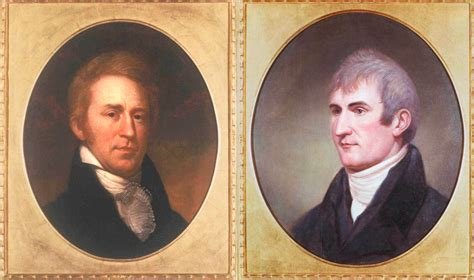
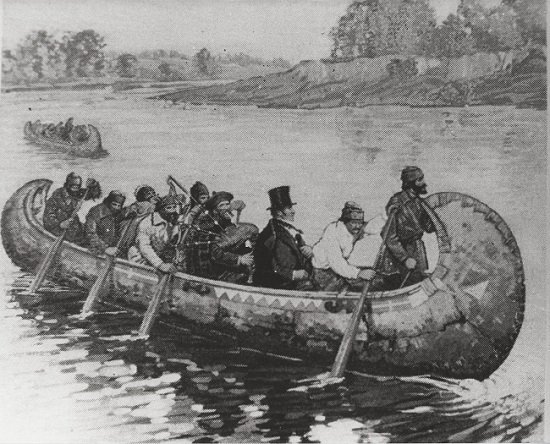
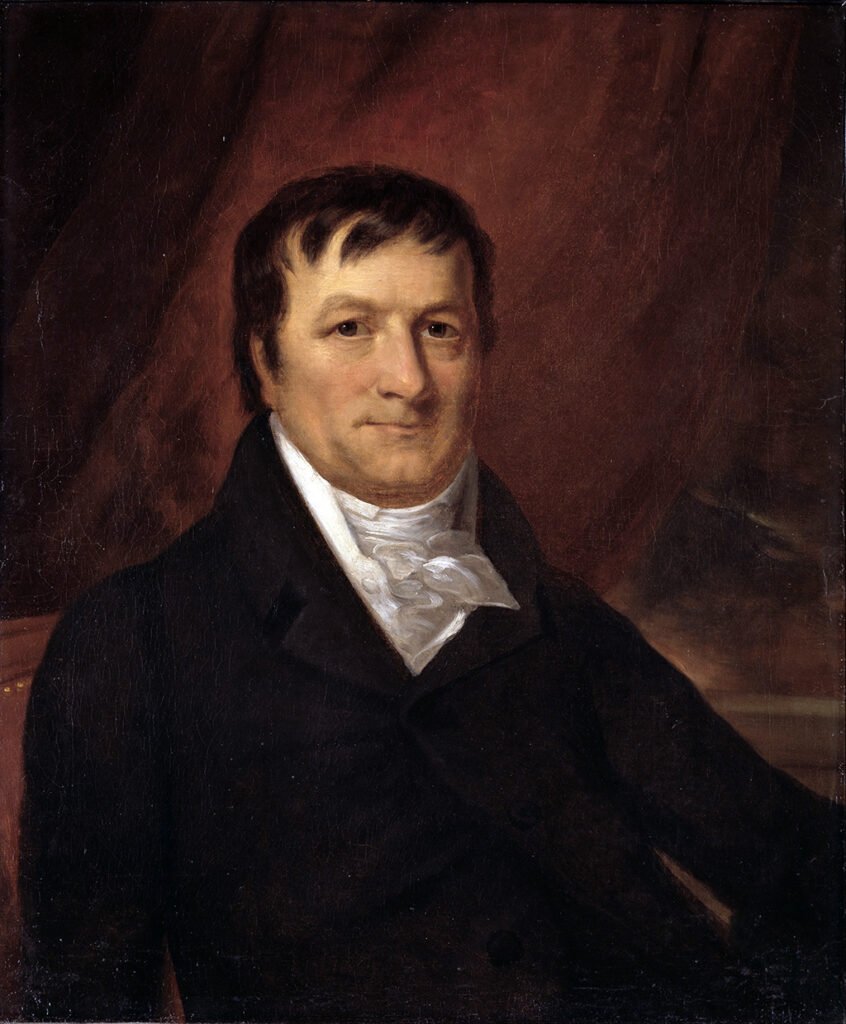
- 1804–1811: The First Outposts. Following Lewis and Clark’s inland survey, a commercial race begins. This period sees relatively limited conflict, as the fur trade creates a mutual economic relationship. In 1810, David Thompson of the British NW Fur Company, based in Montreal, established Spokane House, trading guns, metal tools, and cloth for furs. By 1811, John Jacob Astor’s men found Fort Astoria, marking the first American settlement west of the Rockies. Distilled alcohol was toxic to indigenous Americans and highly sot after. There were various attempts to ban the sale of alcohol because of how it transformed indigenous behavior, but both companies used various forms of alcohol as trade goods
- 1813–1836: British Dominance. After the War of 1812, the Hudson’s Bay Company effectively rules the Columbia Basin, maintaining a fragile peace through trade until the arrival of the first permanent missions.
II. The Mission Era & The Oregon Trail (1836–1847)
The focus shifts from nomadic trading to permanent settlement, bringing an influx of outsiders and biological tragedy.
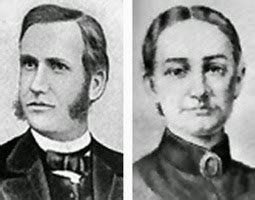
- 1836: The Waiilatpu Mission. Marcus and Narcissa Whitman establish their mission near present-day Walla Walla. Though intended to convert Native Americans to Christianity and life of farming, it instead becomes a pivotal stopping point for emigrants on the Oregon Trail.
-
- 1836 Henry and Eliza Spalding accompanied Marcus and Narcissa Whitman over the Rocky Mountains to open missions in the Pacific Northwest. The Spaldings went further north to a spot near Lewiston, ID and settled among the Nez Perce.
- 1846–1847: Rising Tensions. As the Oregon Treaty settles the border with Britain, thousands of settlers pour into Cayuse territory. The influx brings a devastating measles epidemic; while many white settlers survive, the Cayuse population is decimated.
- 1847: The Whitman Massacre. On November 29, a group of Cayuse men—suspecting Whitman had poisoned their people—attack the mission. Thirteen people are killed and 49 captured. This event serves as a catalyst for a war of retaliation and the formal extension of federal military control over the Pacific Northwest.
III. The Treaty Period & Aggressive Expansion (1848–1855)
The United States government seeks to formalize its control over the land through a series of rapid, often lopsided, legal agreements.
- 1848–1853: Territorial Shifts. The U.S. gains vast lands from Mexico and formalizes the Washington Territory. In 1853, Lt. George McClellan’s railroad survey alarms Indigenous leaders, signaling that the white population is no longer just passing through—they are here to stay.
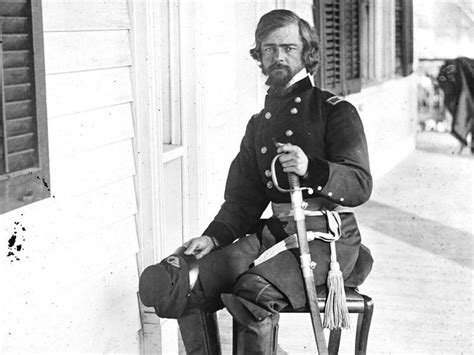
- 1854–1855: The Stevens Treaties. Governor Isaac Stevens aggressively pursues eight treaties, including Medicine Creek (1854), Point Elliott, and the Walla Walla Council (1855). His goal is extinguish indigenous title to most of Washington’s land and make available to the railroads and the settlers.
- 1855: The Reservation System. These treaties leave Native groups with only a fraction of their homelands, often grouping tribes with different languages and cultures together on small reservations. Crucially, the treaties for the Yakama, Nez Perce, and Umatilla remain unratified by Congress until 1859, leaving the legal status of the land in dangerous limbo.
IV. Post-Treaty Conflicts & Resistance (1855–1886)
1855–1858: The Indian Wars. Hostilities erupt almost immediately as Native groups resist the loss of territory and the government’s failure to honor treaty terms. Approximately 47 named blockhouses and forts are constructed across the region to protect settlers and miners. This period fundamentally transforms the relationship between Native peoples and the U.S. government.
1858–1869: A Changing Landscape. While the U.S. Army suppresses revolts, Chinese laborers become a dominant force on the Columbia, outnumbering white settlers in many areas. They build the ditches, mines, and fishery infrastructure that power the West until the completion of the Transcontinental Railroad in 1869.
1872: Nature’s Upheaval. A massive earthquake near Chelan causes a landslide that briefly blocks the Columbia River—a reminder of the raw, unpredictable nature of the frontier.
1876: The Little Bighorn. Custer’s defeat in Montana Territory marks a high point of resistance for the Plains tribes but triggers an overwhelming military response that echoes across the entire West.
1877: The Nez Perce Retreat. Chief Joseph and his band undertake a 1,100-mile fighting retreat to reach Canada. Their surrender just shy of the border signals the end of free movement for many Plateau tribes.
1878: The Bannock War. Triggered by the encroachment of settlers on the Camas Prairie and the failure of the government to provide promised food at the Fort Hall Reservation, the Bannock, Shoshone, and Paiute tribes rise up. The conflict spreads into eastern Oregon and Washington, resulting in a final military suppression of the Great Basin tribes.
1879–1886: The Shrinking Reservation. Chief Moses of the Sinkiuse-Columbia Tribe negotiates a massive reservation, but it is quickly targeted by mining and settlement interests. By 1886, the reservation is returned to the public domain, marking the final shift from Indigenous sovereignty to a landscape fully integrated into the United States.